





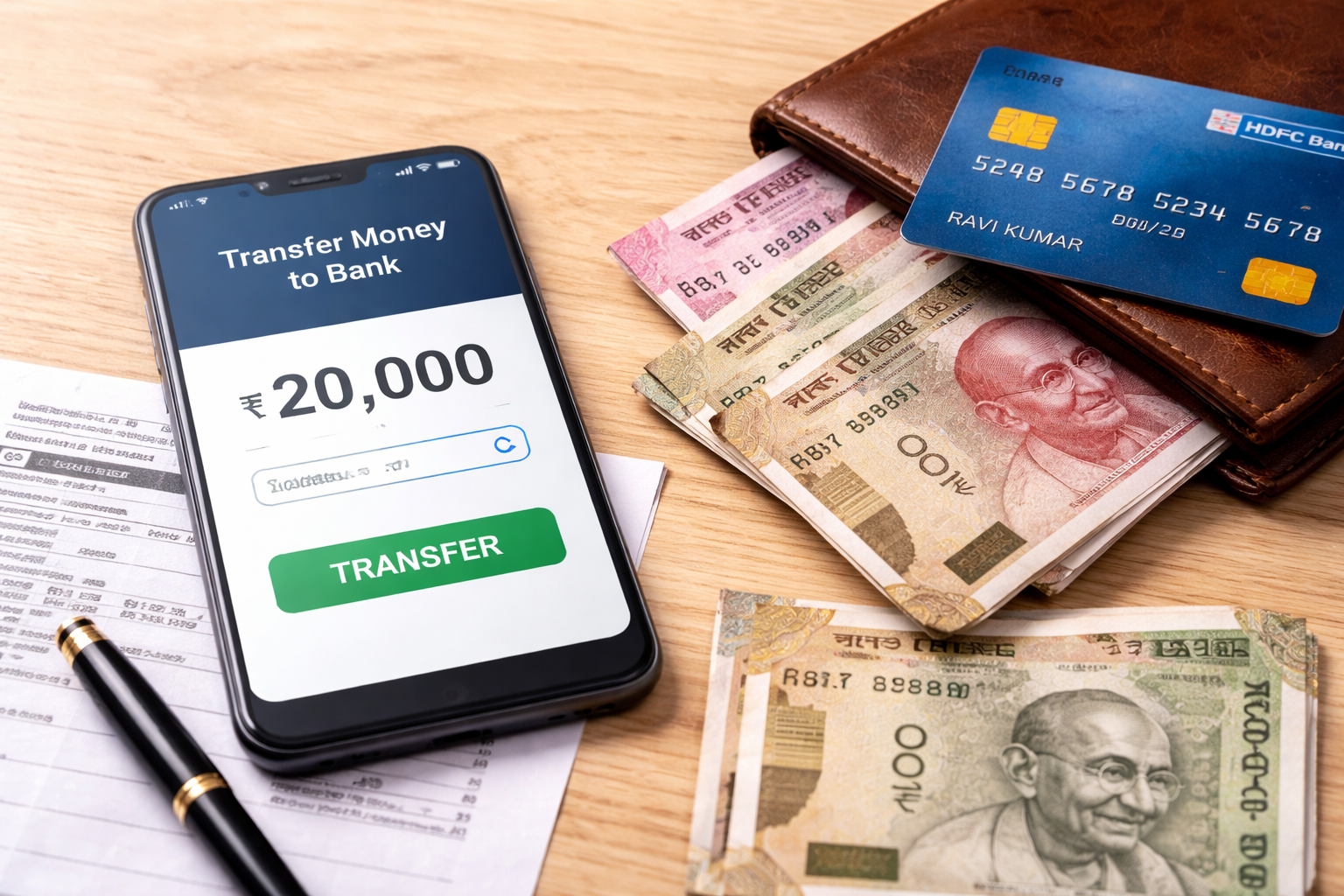
Managing money in India often needs quick solutions, especially during emergencies. Many people wonder how to transfer amount from credit card to bank account when cash is tight. The good news that is possible, but you need to understand the process, charges, and risks before doing it.
This guide explains everything in a simple and practical way so you can make a smart decision.
Understanding the Need Behind Credit Card Transfers
People usually look for this option when they face urgent expenses like medical bills, rent, or business needs. Credit cards give instant access to funds, but they are not designed for direct bank transfers.
Still, many workarounds exist. Banks and financial apps now offer ways to move money from your credit card to your savings account.
Search intent here is clear. You want a quick, safe, and legal method without heavy losses in fees.
How to Transfer Amount from Credit Card to Bank Account
There are multiple methods available in India. Each method has its own cost and speed.
1. Using Net Banking (Bank Balance Transfer)
Some banks offer a feature called “balance transfer” or “fund transfer” from credit card to bank account.
You log in to your credit card account and choose the transfer option. Enter your bank details and confirm the request.
This method works best if your bank supports it. It usually offers lower interest than cash withdrawal.
2. Using Digital Wallets
This is one of the most common methods today.
You add money to a wallet using your credit card. Then you transfer that wallet balance to your bank account.
Popular wallets allow this flow, but they may charge a small fee.
Steps are simple:
- Add money to wallet using credit card
- Transfer wallet balance to bank account
This method works fast, but always check the charges before proceeding.
3. Using Payment Apps
Some apps allow rent payments or peer-to-peer transfers using credit cards. You can send money to a trusted person and receive it in your bank.
People often use this method for flexibility, but you should use it carefully. Always follow legal and safe practices.
4. Cash Withdrawal (Not Recommended)
You can withdraw cash from an ATM using your credit card and deposit it in your bank.
But this method comes with high charges and interest from day one. It should only be your last option.
Charges You Should Know Before Transferring
This is where many people make mistakes. They transfer money without checking fees.
Here are the common charges:
- Processing fee (usually 2% to 3%)
- Interest rate (can go up to 36% annually)
- GST on fees
- Cash advance charges (if applicable)
Even a small transfer can become expensive if you delay repayment.
Best Way to Transfer Credit Card Money to Bank
The best method depends on your situation. If your bank offers balance transfer, use that first. It is safer and cheaper.
If not, digital wallets or payment apps can help. Just compare fees before choosing.
Avoid ATM withdrawals unless there is no other option.
Important Tips Before You Transfer
You should not treat this as free money. It is a loan with high interest.
Keep these points in mind:
- Always repay before the due date
- Avoid large transfers unless necessary
- Check hidden charges carefully
- Use only trusted apps and platforms
Small awareness can save you from big financial stress.
Credit Card to Bank Transfer Without Charges – Is It Possible?
Many people search for ways to transfer money without charges. In reality, completely free transfers are rare.
Some platforms offer limited free transactions during offers. Some banks provide low-cost balance transfer deals.
But you should not expect zero cost every time. Always read the terms before proceeding.
When Should You Use This Option?
This method works best in urgent situations. For example, if you need quick liquidity and no other loan is available.
It also helps small business owners who need short-term funds.
But do not use it for unnecessary spending. It can create a debt cycle if you are not careful.
Risks You Must Understand
Transferring money from a credit card to a bank account looks easy, but it has risks.
High interest can build quickly. If you miss payments, penalties increase your burden.
Also, frequent usage may affect your credit score.
You should always plan repayment before making the transfer.
Alternative Options You Can Consider
Before using your credit card, check if better options are available.
Personal loans often have lower interest rates. Overdraft facilities from your bank may also help.
Borrowing from trusted family or using savings is always safer if possible.
Credit card transfers should be your backup option, not the first choice.
Real-Life Example to Understand Better
Imagine you need ₹20,000 urgently.
You transfer this amount from your credit card to your bank using a wallet. You pay a 2.5% fee, which is ₹500.
If you repay within the billing cycle, your cost stays limited to that fee.
But if you delay, interest starts adding every day. In a few months, your ₹20,000 can become much higher.
That is why timing matters.
FAQs
Can I transfer money from credit card to bank account directly?
Yes, some banks offer direct transfer options. Otherwise, you can use wallets or payment apps.
Is it safe to transfer money using apps?
It is safe if you use trusted apps and follow proper steps. Avoid unknown platforms.
Does this affect my credit score?
Yes, if you misuse it or miss payments. Responsible usage keeps your score healthy.
How long does the transfer take?
Most transfers happen instantly or within a few hours. Some may take up to 24 hours.
Which method has the lowest charges?
Bank balance transfer usually has lower charges compared to wallets or cash withdrawal.
Final Thoughts: Use Smartly, Not Frequently
Now you clearly understand how to transfer amount from credit card to bank account in India. The process is simple, but the cost can be high if you are careless.
Use this option only when needed. Always calculate the total cost before transferring. And most importantly, plan your repayment in advance.
Read Also-: What Are Finance Charges in Credit Card?


