





If you earn money in India, you deal with the Financial Year in India, whether you realise it or not. It shows up in your salary slip, your investments, your taxes, and even government policies. Still, many people feel confused when they hear terms like FY, AY, or tax year.
Let’s make this simple. No complex words, no textbook style. Just a clear understanding that helps in real life.
What is the Financial Year in India?
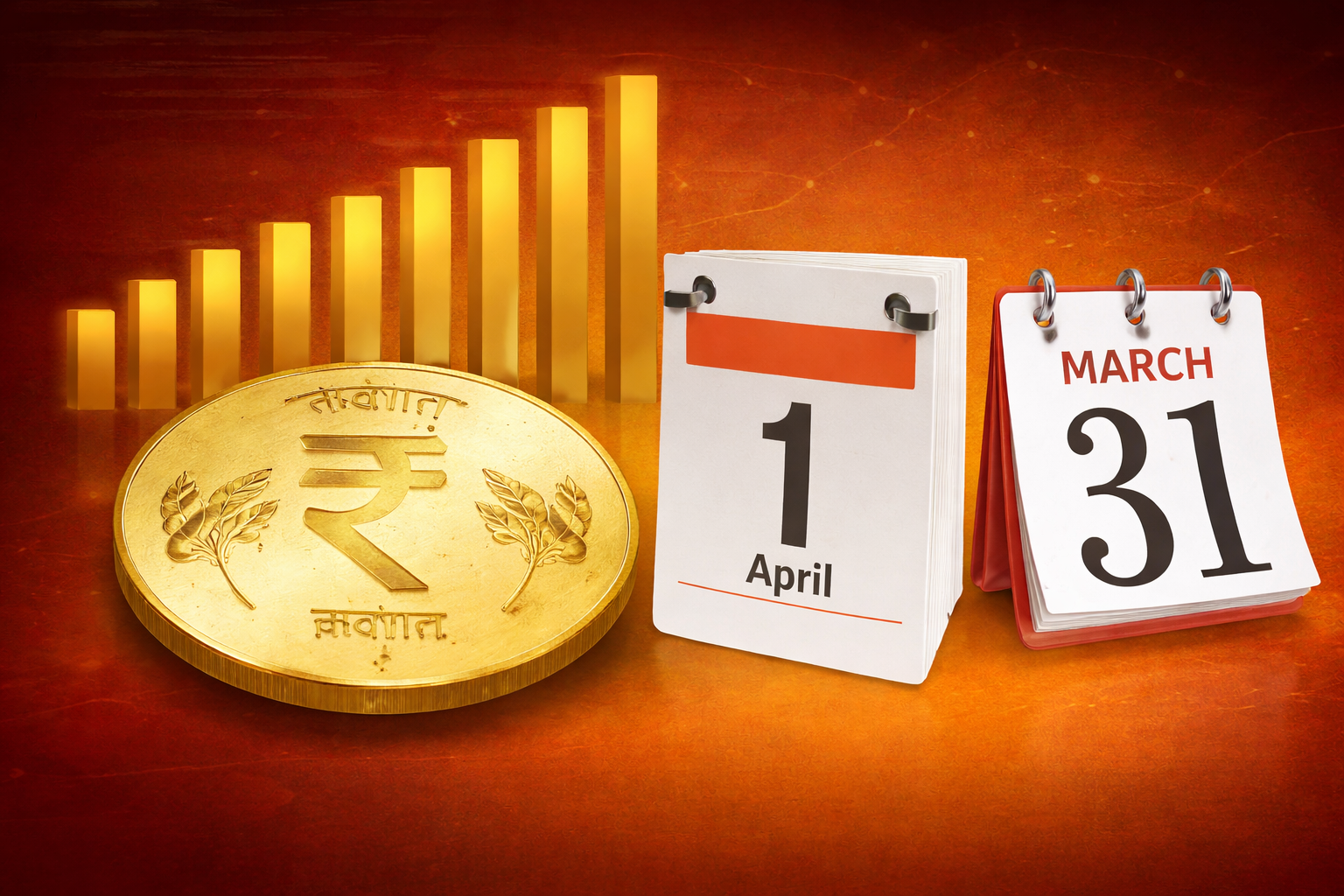
The Financial Year in India is 12 months used for tracking income, expenses, and taxes. It starts from 1 April and ends on 31 March of the next year.
For example, FY 2025–26 means:
You earn income between April 2025 and March 2026.
Everything you earn during this time gets counted for tax and financial records.
Why India Uses April to March
Many people wonder why India does not follow January to December.
The reason is practical. April comes after the harvest season in many parts of India. At this time, income becomes clearer, especially in agriculture and related sectors. This makes budgeting and planning easier for the government.
Over time, businesses and tax systems also aligned with this cycle. That is why the system continues today.
Financial Year vs Assessment Year
This is where most confusion starts, so let’s keep it very simple.
The financial year is when you earn money.
The assessment year is when the government checks your income and collects tax.
For example:
You earn income in FY 2024–25
You file tax in AY 2025–26
So always remember one thing: tax filing happens after the income year ends.
Why the Financial Year in India Matters in Daily Life
The Financial Year in India is not just for accountants. It directly affects your daily financial decisions.
It controls how your salary gets taxed, how your investments work, and when you file your income tax return. Even government benefits and schemes follow this timeline.
If you ignore it, you may end up paying more tax or missing deadlines.
Impact on Salaried People
If you work in a job, your entire salary structure depends on the financial year.
Your company calculates your yearly income based on this period. It deducts tax every month as TDS. At the end of the year, you receive Form 16.
This document shows how much you earned and how much tax you paid.
If you invest in tax-saving options like PPF or ELSS, you must do it before 31 March. Only then can you claim deductions for that financial year.
Impact on Business Owners and Freelancers
For business owners and freelancers, the financial year becomes even more important.
You need to track income, expenses, profit, and taxes within this period. You also need to file GST returns, maintain books, and sometimes go through audits.
Your growth planning also depends on yearly performance. That is why many businesses review their results at the end of every financial year.
Important Dates You Should Not Ignore
Understanding key dates can save you from stress and penalties.
- 1 April marks the start of a new financial year
- 31 March marks the end of the financial year
- 31 July is usually the last date for ITR filing
- Extended deadlines may come later if announced
Missing these dates can lead to late fees and unnecessary trouble.
Financial Year and Tax Planning
Many people rush in March to save tax. This is one of the biggest mistakes.
If you understand the Financial Year in India, you can plan better from the beginning.
Start early. Spread your investments across the year. Track your income regularly.
This approach helps you make better choices instead of random last-minute decisions.
Simple Ways to Manage Your Financial Year
You do not need complex tools. Just follow a basic routine.
- Keep your documents organised from April itself
- Review your income and expenses every month
- Plan your tax-saving investments early
- Avoid waiting till the last week of March
These small habits can reduce stress and improve your financial health.
Common Mistakes People Make
People often ignore small things that later create big problems.
Many confuse the financial year with the calendar year. Some delay tax planning until the last moment. Others forget to report extra income, like freelancing or interest.
Another common issue is filing ITR in a hurry without checking the details.
Avoid these mistakes, and you will stay on the safer side.
Financial Year and Budget in India
Every year, the government presents the Union Budget before the new financial year begins.
This budget decides tax rules, new schemes, and economic plans. It directly affects your savings, expenses, and investments.
That is why you often hear budget news around February. It prepares the country for the upcoming financial year.
Will the Financial Year in India Change?
There have been talks about shifting to a January–December system. Some experts believe it will match global standards.
But changing the system is not easy. It will impact taxes, accounting, and business operations across the country.
For now, India continues with the April to March financial year.
Difference Between Financial Year and Calendar Year
The financial year focuses on money matters like income and tax.
The calendar year is for general use, like dates and events.
Whenever you deal with tax, salary, or investments, always think in terms of the financial year.
Useful Terms You Should Know
While dealing with the Financial Year in India, you will often hear a few basic terms.
ITR means Income Tax Return, where you report your earnings.
TDS is the tax your employer deducts from your salary.
Form 16 is a summary of your salary and tax paid.
Section 80C includes tax-saving investments.
Knowing these terms makes things easier and less confusing.
FAQs on Financial Year in India
What is the Financial Year in India in simple words?
It is a 12-month period from April to March used for income and tax calculation.
Can I file taxes after 31 July?
Yes, but you may have to pay a late fee.
Is the financial year the same for salaried and business people?
Yes, everyone in India follows the same financial year.
Why should I plan taxes early?
Early planning helps you save more and avoid last-minute stress.
What if I forget to file ITR?
You may face penalties and miss certain benefits.
Final Thoughts
The Financial Year in India may sound like a technical concept, but it is actually very simple when you understand it properly.
It is just a way to organise your income, expenses, and taxes over a fixed period.
Once you get comfortable with it, you can take better control of your finances. You will avoid confusion, reduce tax burden, and feel more confident about your money decisions.
Start Taking Control Today
Do not wait for March to think about taxes.
Start from April. Track your money, plan your investments, and stay organised throughout the year. If needed, talk to a tax expert and clear your doubts early.
A little awareness about the financial year can save you both money and stress.
Read Also-: GST for Health Insurance: Everything the Indian Middle Class Needs to Know


