





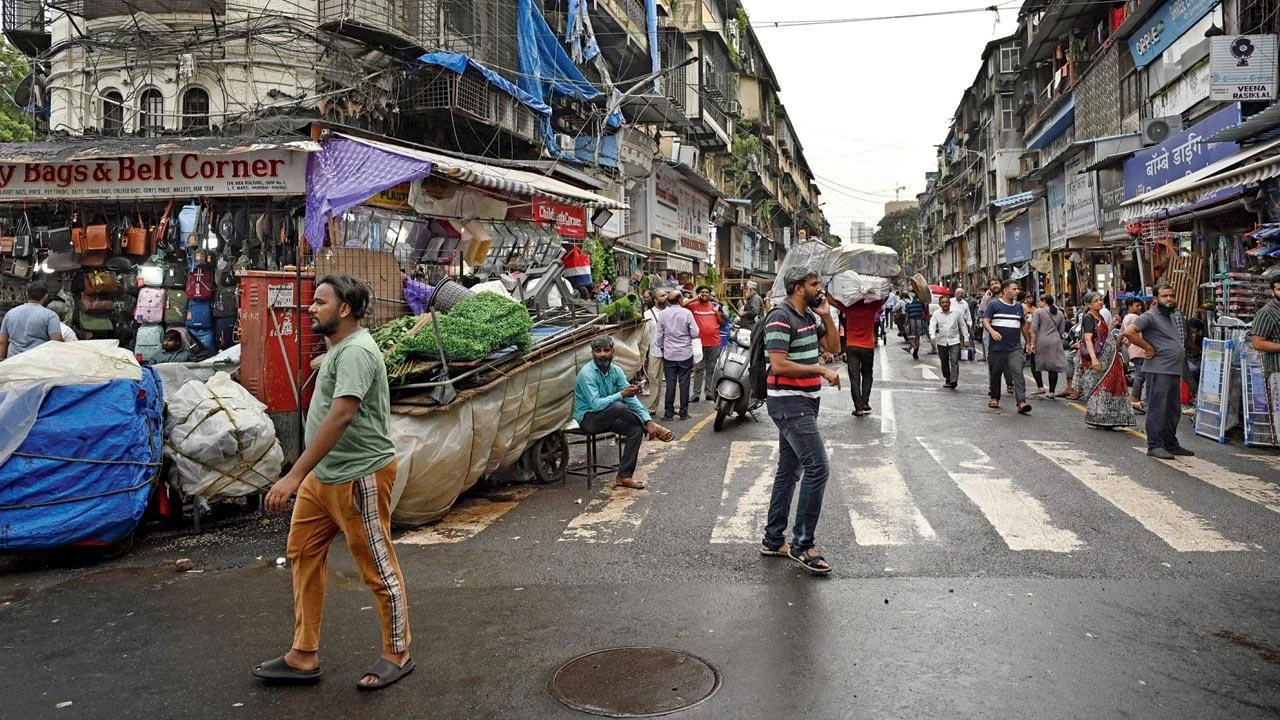
If Mumbai had a signature sound, it wouldn’t be the crashing of waves at Marine Drive or the generic hum of local trains. It would be the symphony of a bustling marketplace: the rhythmic snip of a garment seller’s scissors, the digital chirping of unbranded Bluetooth speakers, the clinking of cutting-chai glasses, and the ubiquitous, melodic chant of “Haan bhai, aao, kya chahiye? (Yes brother, come, what do you need?)” At the absolute center of this sensory orchestra sits Manish Market.
To the uninitiated, Manish Market might look like a chaotic maze of concrete, wires, and overlapping signboards. But to a true Mumbaikar, it is a living, breathing institution. It’s the place you go when your phone screen shatters into a million pieces, when you want to buy a luxury watch lookalike without emptying your bank account, or when you’re starting a fashion boutique and need wholesale fabrics that don’t compromise on style.
Grab a virtual cutting chai, because we are diving deep into the history, the chaos, the deals, and the sheer human spirit of Mumbai’s ultimate bargain paradise.
The Identity Crisis: Dadar vs. CSMT
Before you flag down a black-and-yellow taxi or plug an address into your maps, you need to know a crucial piece of Mumbai lore: There is no single Manish Market. If you just tell a cabbie to take you to “Manish Market,” you might end up across town from where you intended. Mumbai hosts two massive, legendary commercial hubs sharing this exact name, each with a completely distinct personality.
To understand the soul of Mumbai shopping, we need to explore both of these juggernauts.
1. The CSMT Legend: Electronics, Gadgets, and Glitz
Located just a short walk from the iconic Crawford Market and CSMT station, the South Mumbai branch of Manish Market is legendary.
From Grey Market to Tech Central
Decades ago, before economic liberalization opened up India’s markets to global tech brands, Manish Market was the legendary hub for “custom-notified” and imported goods. If you wanted a genuine electronic gadget from Japan, a smooth Swiss watch, or imported cosmetics that weren’t available anywhere else in India, you slipped into the narrow lanes of Manish Market.
Today, while the “grey market” aura has matured into a legalized, hyper-busy wholesale-cum-retail hub, its core identity remains unchanged: It is a paradise for tech lovers and budget shoppers.
What to Shop For at CSMT Manish Market
-
The Smartphone Hospital: If an authorized service center tells you your phone is beyond repair or quotes a price higher than the phone’s actual worth, you bring it here. The technicians inside Manish Market operate like digital surgeons. From micro-soldering motherboards to replacing screens in under twenty minutes, their speed and ingenuity are unmatched.
-
Mobile Accessories in Infinite Varieties: Walk down any aisle, and you’ll find walls covered in phone covers. Whether you want a rugged, shockproof case, a glittery K-pop-inspired design, or a custom print with your own name on it, you’ll find it here for a fraction of regular retail prices.
-
The “First-Copy” Luxury Haven: Always wanted to sport a luxury timepiece or rock a pair of designer sunglasses from brands like Rolex, Tom Ford, Gucci, or Prada? Manish Market is famous for high-quality replicas. Shopkeepers here pride themselves on sourcing duplicates so precise that only an expert with a magnifying glass could spot the difference.
-
Quirky Gadgets & Chinese Imports: From mosquito-killing rackets and LED strip lights to Bluetooth speakers shaped like Iron Man helmets and retro video game consoles, the market is packed with affordable, fascinating novelties.
The Sensory Safari: A Walk Through the Lanes
Walking into the CSMT Manish Market is an exercise in sensory overload. The air smells faintly of warm plastic, soldering flux, incense sticks lit for afternoon prayers, and the rich, spicy aroma of fresh samosas from a nearby street cart.
The lanes inside are narrow, often requiring you to do a polite sideways shuffle to let a laborer carry a massive box of imported electronics past you. There are no corporate manual handbooks here; instead, business is done via eye contact, quick calculations on solar-powered calculators, and a level of trust built over generations.
A Human Touch Note: > What truly shines through the chaos is the resilience of the shopkeepers. This market has survived devastating fires, major monsoon floods, and massive economic shifts. Yet, every single morning, the shutters roll up, the display cases are wiped clean with microfiber cloths, and the shopkeepers greet the day with a smile and boundless energy.
2. The Dadar Phenomenon: Fabrics, Fashion, and Fragrance
Now, let’s pivot to the center of the city: Dadar Manish Market. If the CSMT branch is dominated by silicon chips and glass screens, Dadar is a world of cotton, silk, and the intoxicating scent of fresh blossoms.
The Wholesale Fashion Machine
Located right outside Dadar station, this multi-story building is a massive pillar of India’s garment industry. Many of the shop owners here aren’t just retailers; they are manufacturers with units scattered across Maharashtra and Gujarat.
If you’ve ever bought an affordable, trendy dress or a kid’s outfit from a local boutique anywhere in India, there is a very high chance it passed through Dadar Manish Market first. The variety is staggering—racks upon racks of Kurtis, intricately embroidered wedding wear, formal men’s shirts, and children’s apparel pack the space.
The Midnight Transformation: The Flower Market
While the garment shops operate during standard daytime hours, the street outside Dadar Manish Market transforms into an entirely different world when the sun goes down.
Between 4:00 AM and 7:00 AM, the area becomes Mumbai’s premier wholesale flower market. Trucks from nearby villages arrive laden with tons of marigolds, roses, orchids, and mogra (jasmine). The air fills with an intense, earthy fragrance as event decorators, temple priests, and local vendors haggle over massive woven baskets of petals. It is a stunning, fast-paced spectacle that every photographer and cultural enthusiast needs to experience at least once.
The Art of the Deal: An Insider’s Survival Guide
Shopping at either Manish Market isn’t like walking into a sterile mall where you pick up an item, scan a barcode, and pay a fixed price. Here, shopping is an interactive sport. If you pay the first price a vendor quotes, you are doing it wrong.
To help you navigate this experience like a seasoned local, remember these key strategies:
1. The 50% Rule (With a Smile)
When haggling for non-electronic items like sunglasses, watches, or clothes, a good rule of thumb is to counter-offer at roughly half to sixty percent of the quoted price. However, the secret lies in your delivery. Never be rude or dismissive. Keep it light, casual, and polite. A friendly “Bhaiya, thoda sahi daam lagao, hum toh hamesha aate hain” (Brother, quote a fair price, we are regular customers) works wonders.
2. The “Walk-Away” Strategy
This is the ultimate bargaining tool. If a shopkeeper refuses to budge on a price that you feel is too high, thank them politely and start walking away toward another stall. Because competition inside the market is fierce, if there is any profit margin left for them, they will likely call you back with a modified offer. If they don’t call you back, it means you actually went below their cost price—giving you a clear benchmark for the next shop!
3. Trust, But Verify (The Electronic Checklist)
If you are buying electronic items, accessories, or getting a phone repaired, never leave the shop counter without testing the product thoroughly. * Plug in the charger to ensure it works.
-
Turn up the volume on speakers to check for audio tearing.
-
Ask the shopkeeper explicitly: “Is there a replacement window if this stops working tomorrow?” Most wholesale shops sell items on an “as-is” basis with no returns, so your quality check must happen right there under the shop’s fluorescent lights.
Logistics & Practical Information
To make your trip smooth, keep these quick reference details handy:
-
Timings: Most shops in both markets open around 10:30 AM and wind down by 8:30 PM to 9:00 PM.
-
Weekly Offs: The CSMT Manish Market is typically closed on Sundays, while the Dadar Garment Market is generally closed on Mondays. Plan your trips accordingly!
-
Payments: While digital wallets (UPI) are widely accepted now, network connectivity can be spotty inside the dense, concrete corridors. Always carry cash in small denominations to ensure seamless transactions.
-
Comfort Tip: Wear comfortable, breathable clothes and sturdy walking shoes. You will easily log thousands of steps navigating the alleys.
The Heart of the Hustle
Ultimately, Manish Market is much more than just a place to buy cheap goods. It is a testament to Mumbai’s foundational ethos: maximum effort, relentless hustle, and a space for everyone. It is a place where a college student with a few hundred rupees in their pocket can find the same joy of shopping as a boutique owner buying inventory worth lakhs.
It’s crowded, it’s noisy, and it can be exhausting—but it is authentic, vibrant Mumbai at its absolute best.
Frequently Asked Questions (FAQs)
1. Can individuals buy retail items at Manish Market, or is it strictly wholesale?
You can absolutely buy individual retail pieces! While both markets are primary hubs for wholesale traders who buy in bulk, almost all shopkeepers are happy to sell single items to individual retail shoppers. Just keep in mind that bulk buyers get steeper discounts.
2. Is it safe to buy “first-copy” or duplicate brand items from here?
Yes, it is generally safe for personal lifestyle use (like watches or sunglasses), provided you manage your expectations. These items look incredibly close to the originals, but they do not carry international warranties or the long-term durability of the actual luxury brands. Enjoy them for their aesthetic appeal and budget-friendly pricing!
3. How do I get to the CSMT Manish Market by public transport?
The easiest way is to take a local train to Chhatrapati Shivaji Maharaj Terminus (CSMT) on the Central line or Churchgate on the Western line. From CSMT, it is a very short 5 to 7-minute walk past the iconic Crawford Market building. Taking a taxi directly to the gate is also an option, though traffic in South Mumbai can be heavy during peak hours.
4. Are electronics bought at Manish Market covered under any warranty?
Items from major official brands sold by authorized dealers there carry standard warranties. However, the unbranded, imported, or duplicate electronic products (like cheap earphones, novelty lights, or unbranded power banks) generally do not come with a warranty. Always test them thoroughly at the counter before paying.
5. When is the best time to visit Dadar Manish Market to avoid heavy crowds?
To avoid the intense rush, try to visit on weekdays between 11:30 AM and 2:30 PM. During this window, morning wholesale buyers have usually left, and the evening retail crowd has yet to arrive, giving you a much more relaxed shopping experience.
Read Also -: Financial Year in India: A Practical Guide You Can Actually Use

