Close Menu
    What's Hot

    Step-by-Step Guide to Building a Real World Asset Tokenization Platform

    The Complete Guide on How to Load Your Airtel Recharge Card PIN Quickly

    What Is Non-Invasive Prenatal Testing (NIPT)? Benefits, Accuracy & Cost Explained

    Subscribe to Updates

    Get the latest creative news from FooBar about art, design and business.

    Facebook X (Twitter) Instagram
    • Home
    • Business
    • Finance
      • Insurance
    • Markets & Trade

      What Should You Check Before Joining any Trading Platform?

      June 17, 2026

      Top Trading App in India: Choosing Your Ideal Platform in 2026

      June 8, 2026
    • Investments
    • Banking
      • Economics
    • News
    • Tax Law
    • Startup
    Facebook X (Twitter) Instagram Pinterest
    BusinessTrust
    Subscribe Now
    HOT TOPICS
    • Markets & Trade
    • Stocks
    • Economics
    • Finance
    • Funds
    • Insurance
    • Credit Card
    • Loan
    • Startup
    BusinessTrust
    You are at:Home » Business
    Business

    Step-by-Step Guide to Building a Real World Asset Tokenization Platform

    Abhimanyu SinghBy Abhimanyu SinghJune 19, 202605 Mins Read
    Share Facebook Twitter Pinterest LinkedIn Tumblr Email
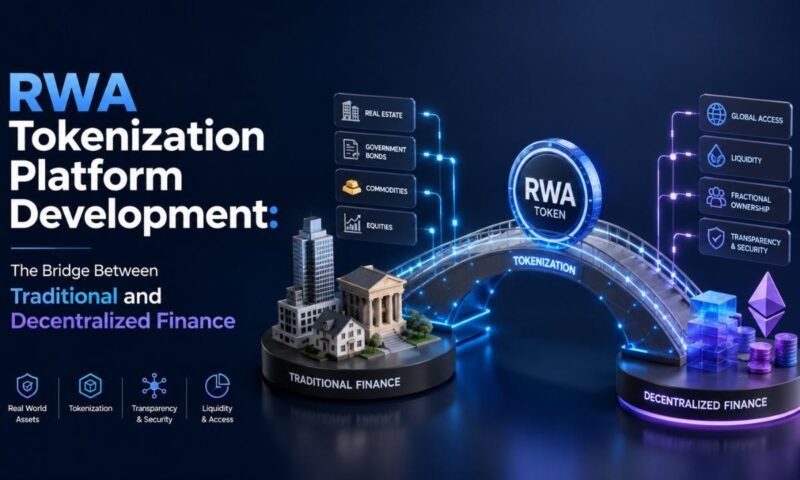
    rwa tokenization platform development
    Share
    Facebook Twitter LinkedIn Pinterest Email

    The tokenization of real-world assets is rapidly transforming how businesses, investors, and financial institutions manage ownership and investment opportunities. By converting physical and traditional financial assets into blockchain-based digital tokens, organizations can improve liquidity, increase accessibility, and streamline transactions.

    As demand for rwa tokenization platform development continues to grow, businesses are exploring how to build secure, scalable, and compliant tokenization platforms. Whether you’re tokenizing real estate, commodities, bonds, private equity, or other assets, having the right development strategy is critical for success.

    This guide walks through the key steps involved in building a Real World Asset (RWA) tokenization platform.

    Table of Contents

    Toggle
    • Understanding the Purpose of an RWA Tokenization Platform
    • Step 1: Identify the Asset Class
      • Real Estate
      • Financial Instruments
      • Commodities
      • Private Equity
      • Alternative Assets
    • Step 2: Define the Legal and Regulatory Framework
    • Step 3: Choose the Right Blockchain Network
      • Ethereum
      • Polygon
      • Avalanche
      • Solana
      • Private or Consortium Blockchains
    • Step 4: Design the Token Model
      • Fractional Ownership Structure
      • Investor Rights
      • Transfer Restrictions
    • Step 5: Develop Smart Contracts
    • Step 6: Build Investor Onboarding Systems
      • User Registration
      • Identity Verification
      • AML Screening
      • Accreditation Verification
    • Step 7: Create Asset Management Modules
    • Step 8: Develop Wallet Integration
      • Custodial Wallets
      • Non-Custodial Wallets
      • Multi-Signature Wallets
    • Step 9: Enable Secondary Market Trading
    • Step 10: Implement Security Measures
    • Step 11: Conduct Testing and Compliance Reviews
    • Step 12: Launch and Scale the Platform
    • Key Features Every RWA Tokenization Platform Should Include
    • Conclusion

    Understanding the Purpose of an RWA Tokenization Platform

    Before beginning development, it is important to define the platform’s objectives.

    An RWA tokenization platform enables businesses to:

    • Digitize real-world assets.
    • Issue blockchain-based tokens.
    • Manage investor onboarding.
    • Facilitate ownership transfers.
    • Ensure regulatory compliance.
    • Enable secondary market trading.

    A clear understanding of business goals helps determine platform architecture, blockchain selection, and compliance requirements.

    Step 1: Identify the Asset Class

    The first step in building a tokenization platform is selecting the asset category you intend to tokenize.

    Common asset classes include:

    Real Estate

    Commercial buildings, residential properties, and real estate investment funds.

    Financial Instruments

    Bonds, debt securities, and structured financial products.

    Commodities

    Gold, silver, oil, and agricultural products.

    Private Equity

    Ownership stakes in private companies and investment funds.

    Alternative Assets

    Art, collectibles, intellectual property, and infrastructure projects.

    Each asset type comes with unique legal, operational, and technical requirements.

    Step 2: Define the Legal and Regulatory Framework

    Regulatory compliance is one of the most important components of any tokenization project.

    Organizations must address:

    • Securities regulations.
    • Investor eligibility requirements.
    • Know Your Customer (KYC) procedures.
    • Anti-Money Laundering (AML) compliance.
    • Data privacy regulations.
    • Cross-border investment restrictions.

    Working with legal experts early in the process helps prevent compliance issues later.

    Step 3: Choose the Right Blockchain Network

    The blockchain serves as the foundation of the tokenization platform.

    Popular blockchain options include:

    Ethereum

    Widely used for smart contracts and security token issuance.

    Polygon

    Offers lower transaction costs and improved scalability.

    Avalanche

    Known for high transaction speeds and enterprise-grade infrastructure.

    Solana

    Provides fast processing and low transaction fees.

    Private or Consortium Blockchains

    Suitable for enterprises requiring enhanced control and privacy.

    The choice depends on performance requirements, scalability needs, security standards, and regulatory considerations.

    Step 4: Design the Token Model

    The next step is determining how digital tokens will represent ownership rights.

    Important considerations include:

    Fractional Ownership Structure

    Determine how many tokens will represent the asset and how ownership percentages will be allocated.

    Investor Rights

    Define voting rights, profit-sharing mechanisms, dividend distributions, and redemption processes.

    Transfer Restrictions

    Establish compliance-based rules governing token transfers.

    A well-designed token model creates clarity for both issuers and investors.

    Step 5: Develop Smart Contracts

    Smart contracts automate asset management and transaction processes.

    Core smart contract functions typically include:

    • Token issuance.
    • Ownership tracking.
    • Dividend distribution.
    • Compliance enforcement.
    • Asset transfers.
    • Investor permissions.

    Smart contracts should undergo extensive testing and auditing before deployment to ensure security and reliability.

    Step 6: Build Investor Onboarding Systems

    A successful tokenization platform requires secure and user-friendly investor onboarding.

    Key onboarding features include:

    User Registration

    Allow investors to create accounts securely.

    Identity Verification

    Implement KYC procedures to verify investor identities.

    AML Screening

    Screen investors against regulatory watchlists and compliance databases.

    Accreditation Verification

    Where required, confirm investor eligibility based on jurisdiction-specific regulations.

    A seamless onboarding experience improves investor participation and platform adoption.

    Step 7: Create Asset Management Modules

    Asset management features allow issuers and administrators to monitor tokenized assets effectively.

    Important capabilities include:

    • Asset valuation tracking.
    • Document management.
    • Ownership records.
    • Financial reporting.
    • Investor communications.

    These tools improve transparency and operational efficiency.

    Step 8: Develop Wallet Integration

    Digital wallets enable investors to securely store and manage their tokens.

    Platforms can support:

    Custodial Wallets

    Managed directly by the platform provider.

    Non-Custodial Wallets

    Allow investors to maintain full control of their assets.

    Multi-Signature Wallets

    Provide additional security through multiple approval requirements.

    Wallet integration should prioritize security, accessibility, and user experience.

    Step 9: Enable Secondary Market Trading

    Liquidity is one of the biggest advantages of tokenized assets.

    Secondary trading functionality allows investors to:

    • Buy tokens.
    • Sell tokens.
    • Transfer ownership.
    • Access real-time market information.

    Organizations may build internal marketplaces or integrate with approved digital asset exchanges.

    Step 10: Implement Security Measures

    Security is critical when dealing with tokenized financial assets.

    Essential security features include:

    • Multi-factor authentication.
    • Data encryption.
    • Smart contract audits.
    • Role-based access controls.
    • Continuous monitoring.
    • Penetration testing.

    A strong security framework protects both investors and platform operators.

    Step 11: Conduct Testing and Compliance Reviews

    Before launch, the platform should undergo comprehensive testing.

    Areas to evaluate include:

    • Smart contract functionality.
    • User experience.
    • Platform scalability.
    • Security vulnerabilities.
    • Regulatory compliance.
    • Transaction processing.

    Testing helps identify and resolve issues before investors begin using the platform.

    Step 12: Launch and Scale the Platform

    Once testing is complete, the platform can be launched to investors and asset issuers.

    Post-launch priorities include:

    • Monitoring performance.
    • Expanding supported asset classes.
    • Adding new compliance features.
    • Enhancing investor tools.
    • Improving trading functionality.

    Continuous updates help maintain competitiveness as the tokenization market evolves.

    Key Features Every RWA Tokenization Platform Should Include

    To remain competitive, platforms should offer:

    • Secure token issuance.
    • Automated compliance management.
    • Investor dashboards.
    • Asset tracking systems.
    • Digital wallet integration.
    • Secondary marketplace support.
    • Smart contract automation.
    • Reporting and analytics tools.

    These features create a complete ecosystem for managing tokenized assets.

    Conclusion

    The growing adoption of blockchain technology is making asset tokenization a mainstream financial innovation. Businesses pursuing rwa tokenization platform development must combine blockchain expertise, regulatory compliance, security best practices, and user-focused design to build successful platforms.

    By following a structured development process—from asset selection and legal planning to smart contract deployment and secondary trading integration—organizations can create scalable tokenization platforms that unlock new investment opportunities and reshape the future of asset ownership.

    Share. Facebook Twitter Pinterest LinkedIn Tumblr Email
    Previous ArticleThe Complete Guide on How to Load Your Airtel Recharge Card PIN Quickly
    Abhimanyu Singh
    • Website

    Abhimanyu Singh is a business and finance writer and the founder of BusinessTrust. He shares insights on personal finance, banking, insurance, loans, investments, and entrepreneurship, helping readers stay informed with simple and trustworthy content.

    Related Posts

    The Complete Guide on How to Load Your Airtel Recharge Card PIN Quickly

    June 19, 2026

    Zydusfrontline Portal: The Complete Login and Access Guide

    June 11, 2026

    Understanding the Real Functions of Women Entrepreneurs in India

    June 5, 2026
    Add A Comment
    Leave A Reply Cancel Reply

    Top Posts

    Subscribe to Updates

    Get the latest sports news from SportsSite about soccer, football and tennis.

    Advertisement
    Demo
    Demo
    Our Picks
    Stay In Touch
    • Facebook
    • Twitter
    • Pinterest
    • Instagram
    • YouTube
    • Vimeo
    Don't Miss

    Step-by-Step Guide to Building a Real World Asset Tokenization Platform

    By Abhimanyu SinghJune 19, 2026

    The tokenization of real-world assets is rapidly transforming how businesses, investors, and financial institutions manage…

    The Complete Guide on How to Load Your Airtel Recharge Card PIN Quickly

    What Is Non-Invasive Prenatal Testing (NIPT)? Benefits, Accuracy & Cost Explained

    SBI SimplySAVE Credit Card: A Smart Choice for Everyday Spending

    Subscribe to Updates

    Get the latest creative news from SmartMag about art & design.

    Demo
    Latest Posts

    Step-by-Step Guide to Building a Real World Asset Tokenization Platform

    The Complete Guide on How to Load Your Airtel Recharge Card PIN Quickly

    What Is Non-Invasive Prenatal Testing (NIPT)? Benefits, Accuracy & Cost Explained

    SBI SimplySAVE Credit Card: A Smart Choice for Everyday Spending

    Latest Posts

    Subscribe to News

    Get the latest sports news from Businesstrust about Business, Finance and Insurance.

    Advertisement
    Demo

    Subscribe to Updates

    Get the latest creative news from SmartMag about art & design.

    Latest Posts

    Step-by-Step Guide to Building a Real World Asset Tokenization Platform

    June 19, 2026

    The Complete Guide on How to Load Your Airtel Recharge Card PIN Quickly

    June 19, 2026

    What Is Non-Invasive Prenatal Testing (NIPT)? Benefits, Accuracy & Cost Explained

    June 18, 2026

    SBI SimplySAVE Credit Card: A Smart Choice for Everyday Spending

    June 17, 2026
    Stay In Touch
    • Facebook
    • Twitter
    • Pinterest
    • Instagram
    • YouTube
    • Vimeo
    Don't Miss

    Postal Life Insurance Calculator: How to Plan Your Savings and Security

    By Abhimanyu SinghJune 2, 2026

    Many of us in India grew up seeing our parents trust the local post office…

    7 Days Loan App List: Why You Must Be Careful Before Applying

    Understanding the Real Functions of Women Entrepreneurs in India

    Demo
    Top Posts

    Postal Life Insurance Calculator: How to Plan Your Savings and Security

    June 2, 2026

    7 Days Loan App List: Why You Must Be Careful Before Applying

    June 3, 2026

    Understanding the Real Functions of Women Entrepreneurs in India

    June 5, 2026
    Latest Reviews
    Stay In Touch
    • Facebook
    • YouTube
    • TikTok
    • WhatsApp
    • Twitter
    • Instagram

    Subscribe to Updates

    Get the latest tech news from FooBar about tech, design and biz.

    Demo

    BusinessTrust provides a guide to the most important elements in business, such as business strategy, marketing, finance and banking, insurance and industry trends, focusing on what is relevant to real business life.

    We want to make sure you are staying up to date and you're learning something useful each day, whether you're a student, professional, entrepreneur or a startup founder. We discuss all the essential business subjects and we also bring you up to date with the latest news and updates.

    Facebook X (Twitter) Instagram Pinterest
    Most Popular

    Postal Life Insurance Calculator: How to Plan Your Savings and Security

    June 2, 2026

    7 Days Loan App List: Why You Must Be Careful Before Applying

    June 3, 2026

    Understanding the Real Functions of Women Entrepreneurs in India

    June 5, 2026
    Recent Posts
    • Step-by-Step Guide to Building a Real World Asset Tokenization Platform
    • The Complete Guide on How to Load Your Airtel Recharge Card PIN Quickly
    • What Is Non-Invasive Prenatal Testing (NIPT)? Benefits, Accuracy & Cost Explained
    • SBI SimplySAVE Credit Card: A Smart Choice for Everyday Spending
    • What Should You Check Before Joining any Trading Platform?
    © 2026 BusinessTrust. All rights reserved.
    • Home
    • About Us
    • Contact Us
    • Write For Us
    • Privacy Policy

    Type above and press Enter to search. Press Esc to cancel.