

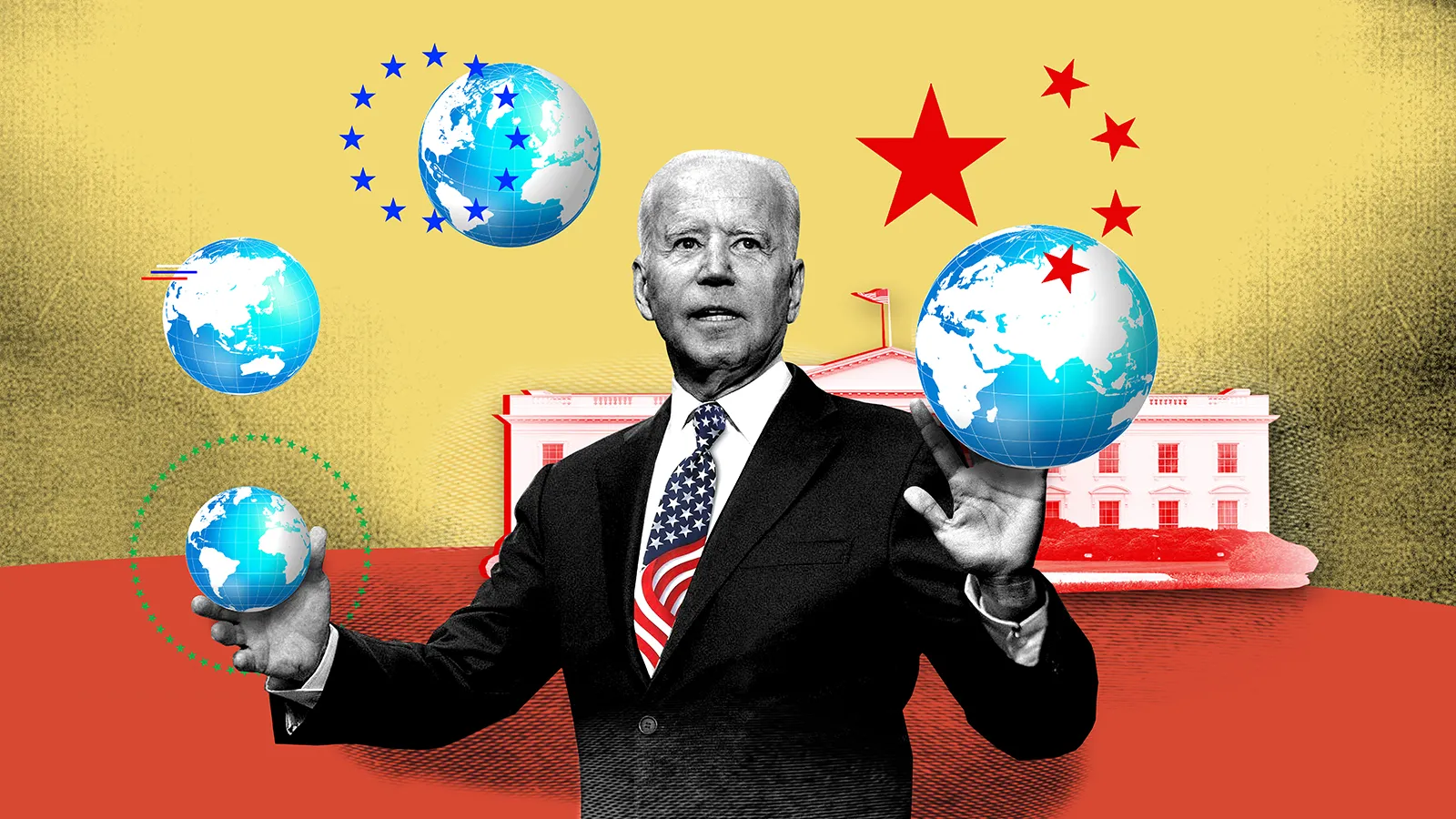
Washington — President Joe Biden faces mounting pressure from multiple fronts to bring an end to ongoing military conflicts, as war fatigue spreads across the American political landscape and public opinion shifts toward disengagement.
Calls from Within His Own Party
Progressive Democrats have emerged as some of the most vocal critics of continued U.S. military involvement. Members of the Congressional Progressive Caucus have repeatedly called for diplomatic solutions and de-escalation, arguing that prolonged conflict drains resources needed for domestic priorities.
“The American people didn’t elect us to be the world’s policeman indefinitely,” said one Democratic representative who requested anonymity. “They elected us to fix healthcare, address climate change, and rebuild our infrastructure.”
The pressure isn’t limited to the progressive wing. Moderate Democrats in competitive districts are increasingly concerned about the political implications heading into election season, particularly as polling shows growing war weariness among independent voters.
Republican Opposition Takes Shape
While Republicans have traditionally supported robust military engagement, fissures are appearing within the party. A growing isolationist faction, influenced by former President Donald Trump’s “America First” rhetoric, questions the strategic value and financial cost of sustained military operations abroad.
However, the party remains divided. Establishment Republicans and national security hawks continue to argue for maintaining American commitments, creating an unusual political dynamic where Biden faces criticism from both doves and hawks, albeit for different reasons.
Public Opinion Shifts
Recent polling suggests Americans are increasingly skeptical about prolonged military engagement. Economic concerns at home—including inflation, healthcare costs, and infrastructure needs—have shifted priorities away from foreign conflicts.
Veterans groups have added their voices to the chorus, with some advocating for withdrawal while others warn against premature disengagement that could jeopardize gains made or abandon allies.
The Administration’s Balancing Act
The White House finds itself in a delicate position, attempting to balance competing pressures while maintaining strategic objectives. Administration officials emphasize that any withdrawal must be conditions-based to avoid creating power vacuums or abandoning allies.
“We’re committed to ending wars responsibly,” a senior administration official said, speaking on background. “That means ensuring we don’t leave chaos in our wake.”
Biden’s foreign policy team has emphasized diplomatic engagement and working with international partners, but critics argue the pace of de-escalation remains too slow.
What Comes Next
As pressure intensifies, political observers are watching for signs that the administration may accelerate timelines for drawdown or pivot toward more aggressive diplomatic efforts. With midterm elections approaching, the political calculus becomes increasingly complex.
The debate reflects broader questions about America’s role in the world, the limits of military power, and the domestic costs of foreign engagement—questions that have defined American politics for generations and show no signs of easy resolution.
For now, President Biden navigates between those demanding immediate action and those counseling caution, knowing that decisions made today will shape both his legacy and America’s global position for years to come.
