





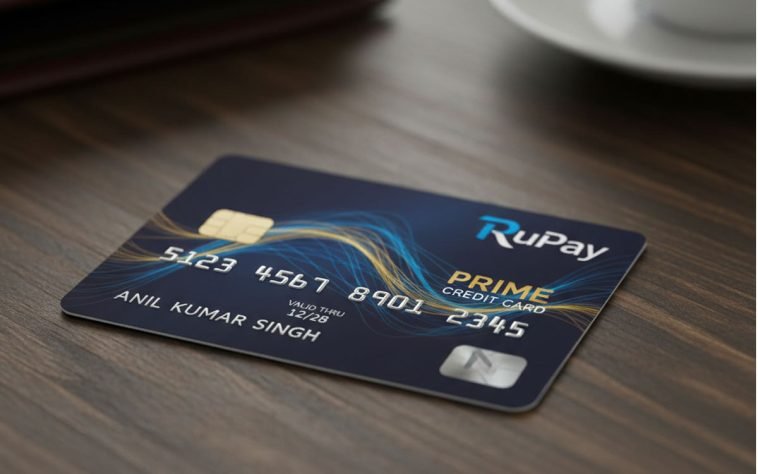
India’s digital payment ecosystem has expanded significantly over the past decade, with card-based transactions becoming a regular part of daily spending. Alongside international payment networks, domestic systems have also strengthened their presence. The RuPay Credit Card has emerged as a widely used payment option in India’s growing digital payments ecosystem. Its rising adoption reflects a gradual shift in consumer payment preferences, with greater emphasis on local processing and ease of use in everyday financial activities.
What a RuPay Credit Card Is
A RuPay Credit Card is part of India’s domestic card payment network, designed to process transactions within the country. It operates through a system that connects cardholders, merchants, and banks under a single national framework. This structure supports payments made across retail stores, online platforms, and service providers operating in India. These cards are primarily intended for domestic use, making them suitable for users whose spending is largely within the country.
How RuPay Cards Work
RuPay Credit Cards function through a standardized payment process involving multiple parties in a transaction. When a card is used, the payment request is sent from the merchant to the issuing bank through the RuPay network. The system verifies transaction details, checks available credit, and authorises payment if conditions are met. Once approved, the transaction is settled between banks within India’s financial infrastructure. This process applies to both physical point-of-sale transactions and online payments, ensuring smooth functionality across different payment channels.
Key Features of RuPay Cards
RuPay Credit Cards are designed to support efficient domestic transactions while ensuring ease of use across multiple payment channels in India. These features make them suitable for everyday financial activity, especially within the country.
The key features that define their usability and structure include:
- Domestic Processing: Transactions are routed through an India-based payment network, enabling settlement within the domestic banking system.
- Wide Merchant Acceptance: RuPay cards are accepted across a growing number of retail stores, online platforms, and service providers in India.
- Digital Payment Compatibility: These cards can be linked with supported digital payment systems for online transactions, where enabled.
- Faster Settlement Cycle: Domestic routing can support faster transaction processing within India’s banking system.
Overall, these features support consistent usability for routine spending needs within the country.
Why Indians Are Switching to RuPay Cards
The growing adoption of RuPay Credit Cards is linked to wider merchant acceptance and improved accessibility across different regions. Many users prefer them for everyday spending within India because they operate through local payment processing systems. Increased acceptance in smaller towns and semi-urban areas has also contributed to their wider use.
RuPay Cards have gained traction as they become more integrated into everyday payment systems, making it easier for users to rely on a single card for multiple types of domestic spending. This shift also reflects increasing trust in India’s domestic payment infrastructure as digital adoption continues to expand.
RuPay Credit Card vs Visa Credit Cards
RuPay and international payment networks such as Visa Credit Cards differ in their usage scope. RuPay mainly focuses on domestic transactions within India, while Visa operates a global payment network that supports international transactions across multiple countries.
The main difference lies in transaction routing and acceptance coverage. RuPay transactions are processed through India’s domestic banking system, whereas Visa transactions are routed through an international payment network. In everyday use, RuPay is commonly used for transactions within India, while Visa cards are widely used for international and cross-border transactions.
Common Usage Scenarios
RuPay Credit Cards are used across several everyday spending categories, particularly in domestic transactions. Their application continues to expand as acceptance increases across merchants and platforms.
The most common usage scenarios include:
- Retail Purchases: Grocery shopping, clothing, and general in-store payments at physical outlets.
- Utility Payments: Bill payments such as electricity, mobile recharge, and other recurring services.
- Online Transactions: Purchases on domestic e-commerce platforms and subscription services.
- Travel Within India: Payments for hotels, transport services, and related travel expenses.
These usage areas show how the card fits into everyday spending across India.
Conclusion
RuPay Credit Cards have become an important part of India’s evolving payment system, supported by wider acceptance and a stronger focus on domestic transaction efficiency. Their adoption reflects changing user preferences towards payment solutions designed for local use. While international networks continue to support global transactions, RuPay’s expansion reflects changing payment habits and the wider use of domestic digital payment systems in India.
Read More-: Low Credit Score Loans: How to Get Urgent Funds When Banks Say No


