
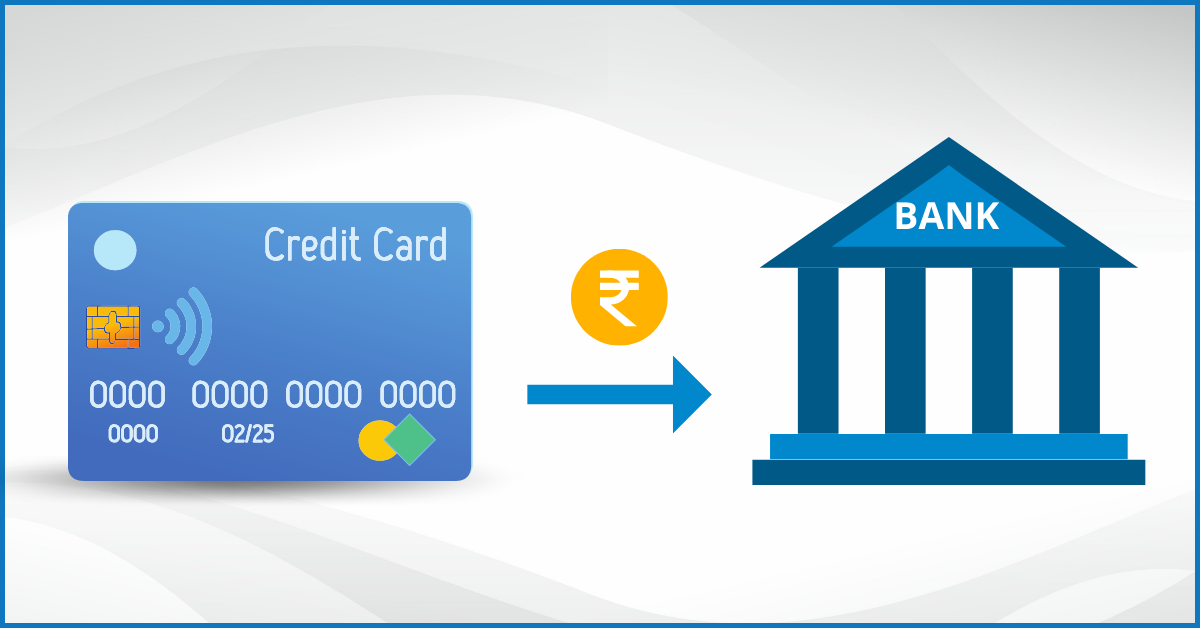
Imagine you are standing at a local shop to pay for a major appliance, or perhaps your monthly house rent is due today, and your savings account looks completely dry. We have all been in situations where unexpected expenses catch us completely off guard. You look at your wallet and see your credit card sitting there with a massive available limit, but the recipient demands a direct bank transfer or cash and want to know “how to send money from credit card to bank account“
You might wonder if you can bridge this gap without breaking a sweat. The good news is that you can absolutely move those funds. This comprehensive guide will show you exactly how to send money from credit card to bank account without any confusion.
While credit cards primarily help us swipe at retail outlets or pay on e-commerce websites, modern digital payment systems in India have made it incredibly easy to route that credit limit directly into a personal banking account. Let us break down the safest online credit card transfer methods, look closely at the charges involved, and understand how to manage your liquidity smartly.
Why Would You Transfer Money from a Credit Card?
Most financial advisors suggest using your credit card directly for purchases because it gives you a reward-earning interest-free period. However, real life does not always follow a standard financial textbook. Sometimes, you face a unique transaction where a card swipe is completely out of the question.
-
Paying Your Landlord: Most independent house owners in India do not possess a point-of-sale machine to swipe your plastic card. They expect a clean bank transfer or a direct digital wallet payment every single month.
-
Emergency Medical Bills: Hospital emergencies or sudden medical checkups can demand upfront bank deposits before treatments begin.
-
School or College Fees: Educational institutions often ask for direct bank account deposits or demand drafts rather than card payments at the counter.
-
Paying Small Vendors: Whether it is a local contractor renovating your kitchen or a freelance professional helping your business, they usually prefer a direct bank account settlement.
Top Ways to Send Money from Credit Card to Bank Account
Now that you know why this need arises, let us look at the most reliable online credit card transfer methods available in the Indian digital ecosystem. Each approach has its own timeline and cost structure, so you can pick the one that fits your exact requirement.
1. Using Dedicated Mobile Apps and Digital Wallets
Using a reliable credit card to bank transfer app is arguably the most popular and quickest route today. Popular third-party applications like CRED, PayZapp, PhonePe, and MobiKwik allow you to load funds or make direct payments using your card limit.
The process is very straightforward. You download the app, complete your basic identity verification, and head to sections like rent payment or education fee payment. You then fill in the recipient bank account details, enter their IFSC code, and select your credit card as the primary payment source. The app charges your card and instantly deposits the money into the destination bank account.
2. Direct Net Banking and Mobile Apps of Your Bank
If you prefer sticking to traditional channels, your official card issuer can help you out directly. Top Indian banks like Axis Bank, ICICI Bank, and HDFC Bank offer direct money transfer facilities on their mobile apps.
You simply log into your personal internet banking dashboard, navigate to the credit card management console, and look for an option called money transfer or balance transfer. The system will let you select an eligible amount from your credit limit and move it directly into your linked savings account via secure networks like IMPS or NEFT.
3. Credit Card Cash Advance via ATMs
When digital networks face temporary downtime or you need hard cash in hand before making a deposit, you can visit any nearby ATM. You insert your credit card, enter your secure four-digit PIN, and select the cash withdrawal option.
Once you extract the physical currency notes, you can easily walk over to a bank branch or a cash deposit machine to add those funds into your savings account. While this sounds incredibly easy, it is a premium emergency option that carries massive financial implications.
Understanding the True Cost: Fees and Hidden Charges
While learning how to send money from credit card to bank account online solves your immediate cash crunch, you must remember that this financial convenience is never entirely free. Moving your credit limit into a bank account incurs specific charges that you must calculate beforehand to avoid shocking credit card bills at the end of the month.
When you use mobile applications for a credit card wallet to account transfer, the platform charges a convenience fee to process the transaction through their payment gateway. This fee usually hovers around two percent of your total transaction value. For example, if you send twenty thousand rupees, you might pay around four hundred rupees as a processing fee.
On the other hand, an ATM cash advance is the most expensive method. Not only do banks levy a hefty upfront cash handling fee, but they also eliminate the standard interest-free period. This means a steep interest rate starts ticking on your withdrawn amount from the exact minute the ATM dispenses the cash until you clear the total balance.
Crucial Tips for a Smooth and Safe Transfer
If you want to complete an online credit card-to-bank transfer without hurting your financial health or dropping your credit history, you should follow a few practical habits.
Here is a short checklist to keep you completely safe:
-
Double Check Account Details: Always verify the recipient bank account number and the specific branch IFSC code. A single typo can route your precious credit funds into an incorrect account, creating major retrieval headaches.
-
Monitor Your Credit Utilization Ratio: Try not to exhaust your entire credit limit for bank transfers. Financial experts suggest keeping your overall credit utilization under thirty percent to maintain an excellent credit rating.
-
Read the Small Print: Look at the exact breakdown of transaction fees and applicable GST on your app screen before hitting the final submit button.
Smart Alternatives to Avoid High Transfer Fees
Before you decide to move large sums from your card limit, it is always wise to look at alternative avenues that might save you some hard-earned money.
If you need a substantial amount for a slightly longer duration, check if your bank app offers an option to convert your current credit card balance into instant personal loans or easy monthly instalments. These structured payment plans often feature significantly lower interest rates compared to regular credit card default rates. Alternatively, using regular UPI apps linked directly to your savings account or checking if your vendor accepts instant digital wallet payments can keep you entirely free from credit processing fees.
Final Summary
Learning how to send money from credit card to bank account is an incredibly powerful tool when you face a genuine financial crunch in your daily life. Whether you choose a direct bank transfer app, clean internet banking channels, or a physical cash withdrawal, the option gives you unmatched liquidity when standard payment methods fail.
Just make sure that you treat this option as an occasional emergency backup plan rather than a regular financial habit. By understanding the underlying transaction processing fees and planning your credit card repayments diligently before the monthly billing cycle ends, you can leverage your card limits safely and keep your finances perfectly secure.
FAQs
Can I transfer money from a credit card to a bank account without any charges?
Generally speaking, no. Almost all third-party digital applications and official banking platforms levy a processing fee ranging from one to three percent to facilitate a credit card wallet to account transfer securely.
How long does it take for the transferred money to hit the bank account?
When you use instant money transfer options like IMPS through mobile banking apps or popular third-party tools, the funds usually reflect in the destination bank account within a few minutes. Standard NEFT transfers might take a couple of business hours depending on bank holidays.
Will transferring money from my credit card affect my personal credit score?
The transfer itself does not directly damage your score, but utilizing a very high percentage of your available credit limit can lower your credit score temporarily. Always ensure you pay off the full card statement balance before the official due date to keep your credit history pristine.
Read Also-: Paytm Credit Cards: Smart Benefits, Real Eligibility & Easy Online Application
